When your braces or clear aligner treatment finally ends, it’s easy to assume your new smile will simply stay that way forever. In reality, one of the most overlooked yet critical stages of orthodontic treatment begins right after: the retention phase. If not managed properly, this stage can undo months of treatment in a surprisingly short time. In this article, we explain why the retention phase matters so much and what you need to know about wearing a retainer.
Why Is the Retention Phase Necessary?
While braces or aligners move your teeth into their target position, the bone and soft tissue surrounding your teeth also need time to adapt to this new position. The moment treatment ends, these tissues are not yet fully “settled.” Without any support, teeth tend to gradually shift back toward their original position over time — a process orthodontists call relapse.
A retainer holds your teeth in their new position, preventing this backward movement and giving the bone and tissue time to fully adapt.
What Types of Retainers Are There?
Orthodontists typically recommend one of two main retainer types, or a combination of both, depending on the case:
Fixed Retainer (Lingual Retainer): A thin wire usually bonded to the back surface of the lower front teeth. It cannot be removed by the patient, which eliminates the risk of forgetting or neglecting to wear it. It’s often used as a long-term, sometimes permanent, solution.
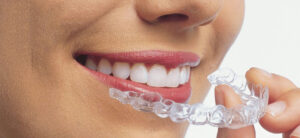
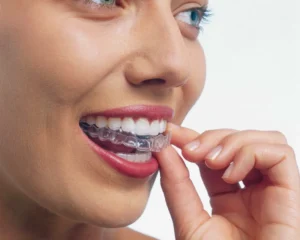
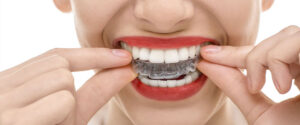
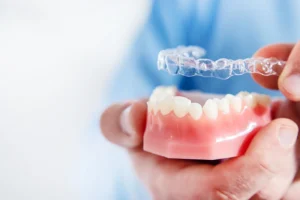
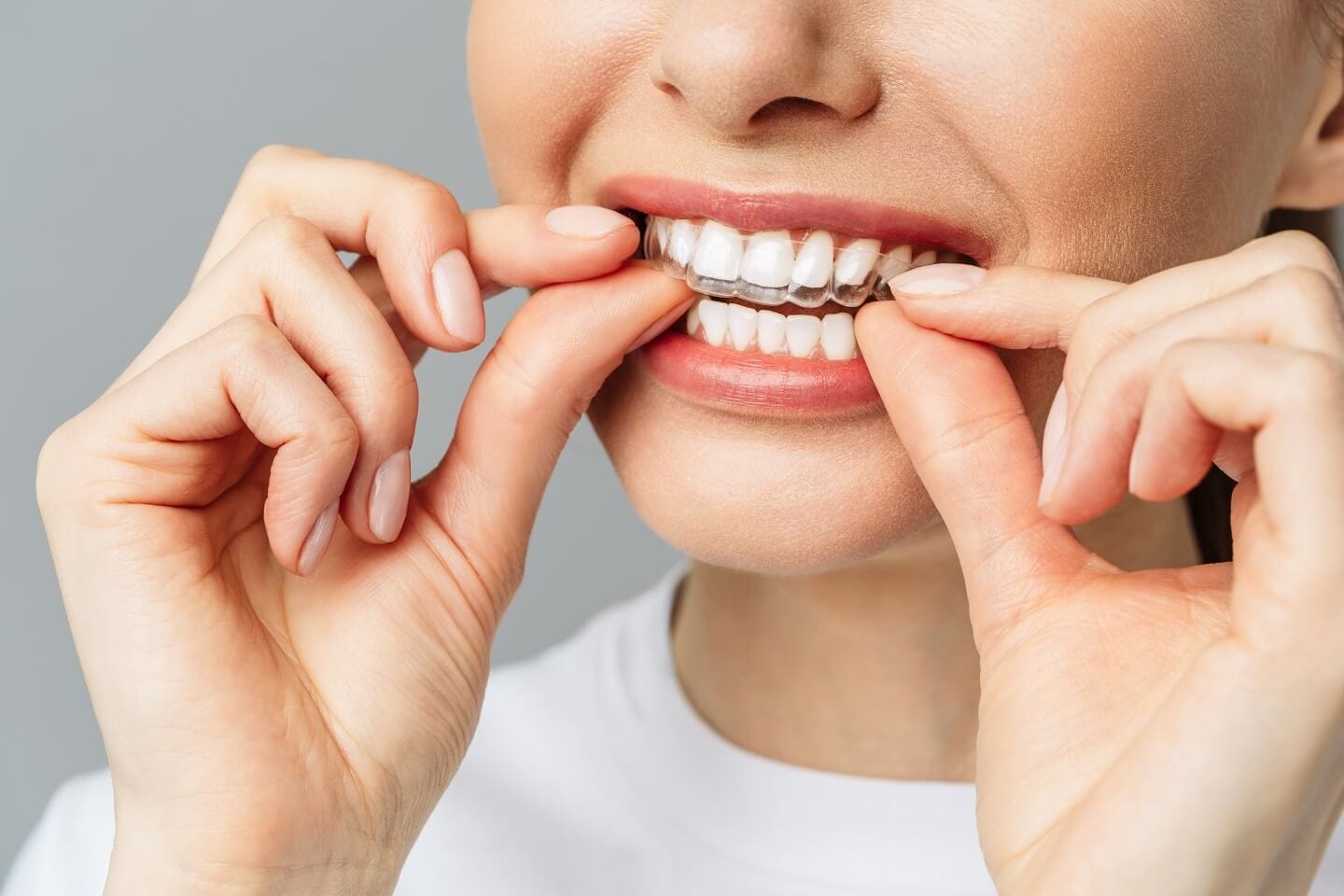
Removable Retainer: This can be a clear plastic tray (Essix type) or an acrylic-and-wire design (Hawley type). It can be taken in and out by the patient and is usually recommended for nighttime or specific daily hours.
In many cases, a combination is used — a fixed retainer on the lower arch and a removable retainer on the upper arch.
How Long Should You Wear a Retainer?
This is one of the most commonly asked — and most misunderstood — questions among patients. The truth is: teeth have a lifelong tendency to shift slightly, so the generally accepted approach to retention follows this pattern:
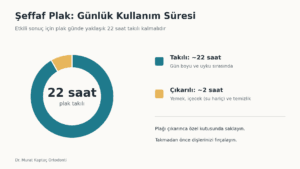
- First 3–6 months: Typically full-time wear is recommended (removed only for eating and brushing).
- 6 months to 1 year: Wear can gradually be reduced to nighttime use only.
- Long term: Many orthodontists recommend continuing to wear a retainer at least a few nights a week indefinitely — since tooth position can naturally continue to change with age.
The exact duration and frequency should always be determined by your orthodontist based on your specific case.
What Happens If You Don’t Wear Your Retainer?
Neglecting retainer use can lead to partial or complete loss of your treatment results:
- Mild crowding can reappear in the front teeth.
- Previously closed spaces between teeth can reopen.
- Small bite misalignments between the upper and lower jaw can return.
- In cases of significant relapse, a second round of treatment (sometimes new braces or aligners) may be needed to correct the shift.
For this reason, retainer use should be seen not as an optional add-on, but as the final and permanent part of your treatment.
Retainer Care Tips
- Fixed retainer: Use floss or an interdental brush to clean around the wire regularly; plaque buildup can pose a risk to both gum health and the durability of the retainer.
- Removable retainer: Rinse with lukewarm water after each use, and clean it regularly with recommended cleaning tablets or a soft brush. Avoid exposing it to hot water or direct sunlight, as the plastic can warp.
- Regular check-ups: Have your fixed retainer’s wire bond checked periodically for any looseness.
- If lost or broken: If a removable retainer is lost or breaks, contact your orthodontist as soon as possible to prevent your teeth from beginning to shift.
Conclusion
The true success of orthodontic treatment isn’t measured on the day your braces come off — it’s measured over the years that follow, through how well the retention phase is managed. Neglecting retainer use can undo months of hard-earned treatment in a short time. With the right retainer type, wear schedule, and care habits, you can preserve your new smile for many years to come.
At Dr. Murat Kaptaç’s clinic, we closely follow up with our patients through the post-treatment retention phase and create a personalized retainer plan for each individual.
Contact us for your retention phase follow-up or retainer check-up.