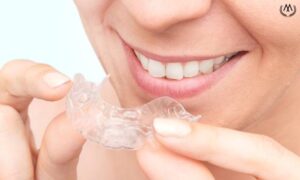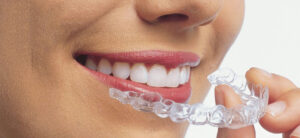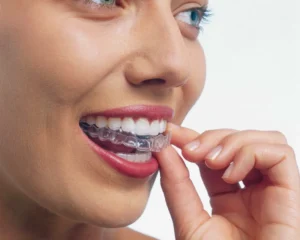

Clear aligner treatment is highly effective and comfortable when used correctly. However, the success of treatment largely depends on the patient’s daily habits — unlike fixed braces, this is a system built on the patient’s own discipline. In this article, we go over the most common mistakes made during clear aligner treatment and how to avoid them.
Mistake 1: Wearing Aligners for Less Than the Recommended Time
For clear aligners to be effective, they need to be worn for an average of 20–22 hours a day. This time should only be interrupted for eating and brushing your teeth.
Why it matters: Aligners move teeth by applying continuous, uninterrupted force. Wearing them for shorter periods prevents this force from being effective enough, delaying your teeth from reaching their planned position.
What to do: Keep track of every time you remove your aligners, or use a reminder app; roughly tracking your total daily wear time helps you build the habit.
Mistake 2: Switching Aligner Sets Too Early or Too Late
Each aligner set is designed to move your teeth to a specific stage. Moving to the next set before the time your orthodontist has specified can cause the new aligner to not fit properly, since your teeth haven’t fully shifted into position yet.
What to do: Follow the set-changing schedule recommended by your orthodontist. If the next aligner feels tight or doesn’t seat fully, let your orthodontist know — sometimes you may need to stay in the current set for a few extra days.
Mistake 3: Keeping Aligners In While Eating
Hot drinks and food can warp the aligner material, and food particles trapped underneath the aligner increase the risk of tooth decay and gum problems.
What to do: Always remove your aligners before eating or drinking anything other than water; brush your teeth or at least rinse your mouth before putting them back in.
Mistake 4: Cleaning Aligners the Wrong Way
Washing them with hot water, brushing them with toothpaste, or using colored or scented cleaning products can damage the aligner material and cause it to lose its clarity.
What to do: Rinse your aligners with lukewarm water, gently clean them with a soft brush (a separate one from your toothbrush is ideal), and use the cleaning tablets recommended by your orthodontist.
Mistake 5: Storing Aligners Improperly
Wrapping aligners in a napkin and leaving them on a table creates a high risk of losing them or accidentally throwing them away. Leaving them exposed also creates an environment for bacteria to build up.
What to do: Store your aligners in their designated case every time you take them out. Keeping a spare case with you is a practical solution, especially when eating out.
Mistake 6: Skipping the Use of “Chewies” (Bite Seating Aids)
In some cases, your orthodontist may recommend using small silicone chewies to help the aligner fully seat onto your teeth. Skipping this step can prevent the aligner from making full contact with your teeth, which can slow down tooth movement as planned.
What to do: If recommended by your orthodontist, use a chewie for a few minutes every time you switch to a new aligner to help it seat fully.
Mistake 7: Missing Check-Up Appointments
While clear aligner treatment generally requires fewer check-ups than braces, these visits remain important for assessing whether treatment is progressing as planned.
What to do: Stick to the check-up schedule set by your orthodontist; if you notice anything unexpected with your aligner (a crack, poor fit, or pain), contact your orthodontist right away rather than waiting for the next scheduled visit.
Mistake 8: Neglecting Attachments (Small Bumps on the Teeth)
In some cases, small tooth-colored attachments are bonded to your teeth to help the aligner apply force more effectively. If one of these attachments comes off, the effectiveness of the aligner can be reduced.
What to do: If you notice an attachment has come off, let your orthodontist know as soon as possible — it can usually be easily replaced.
Conclusion
The success of clear aligner treatment largely depends on your daily wear discipline. Paying attention to the points above helps ensure your treatment progresses as planned and that you reach your expected result on time. If you’re ever unsure about something, always check with your orthodontist rather than guessing.
At Dr. Murat Kaptaç’s clinic, we provide our patients with regular follow-up and practical usage support throughout their clear aligner (MK Aligners) treatment.
Contact us with any questions about your clear aligner treatment.