You may wake up with jaw pain in the morning, or find yourself clenching or grinding your teeth at night without realizing it. This condition is known as bruxism, and it affects a significant portion of the population. For many people considering clear aligner treatment, a question naturally comes to mind: “I clench my teeth — will the aligners get damaged? Will treatment still work?” In this article, we cover how bruxism can affect clear aligner treatment and what can be done about it.
What Is Bruxism?
Bruxism is the involuntary clenching or grinding of the teeth. It can occur while awake (during the day) or asleep (at night). Common signs include:
- Pain and fatigue in the jaw, temples, or face in the morning
- Tooth wear, chipping, or sensitivity
- Frequent headaches
- Clicking or a locking sensation in the jaw joint
- A partner hearing grinding sounds during sleep
Causes can include stress, sleep patterns, bite misalignment, and certain habits. The exact cause varies from person to person.
Does Bruxism Prevent Clear Aligner Treatment?
Generally, no. Patients with bruxism can also undergo clear aligner treatment. However, it is a factor your orthodontist needs to take into account when planning treatment. Bruxism can have an effect in the following ways:
Wear or Cracking of the Aligners
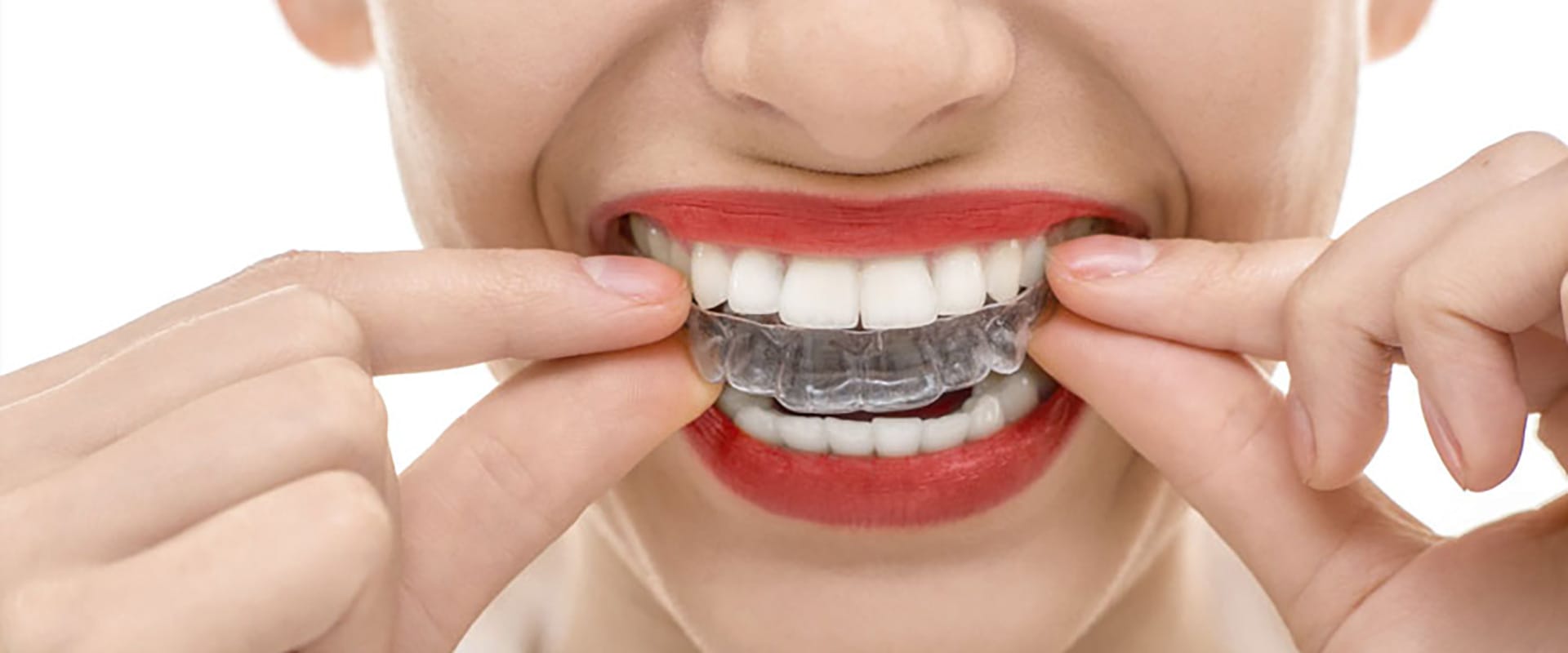
Strong clenching or grinding, especially at night while wearing the aligners, can cause the aligner material to wear down, thin out, or crack over time. In this case, aligners may need to be replaced more often.
How the Aligner Seats on the Teeth
The intense force applied while clenching can temporarily affect how the aligner seats on the teeth. A patient may feel a tight or uncomfortable fit when putting their aligners in the morning.
Jaw and Muscle Comfort
For someone with bruxism, the extra volume or change in the biting surface created by the aligner may cause mild jaw muscle fatigue in the first few days.
What Can Be Done for Patients with Bruxism?
1. Always Tell Your Orthodontist About Your Bruxism
It’s important to share your clenching or grinding habit with your orthodontist before treatment. This information is taken into account when planning treatment and choosing aligner material.
2. Plan Bruxism Management and Orthodontic Treatment Together
In some patients, clenching may be related to a bite misalignment. In this case, orthodontic treatment may help ease bruxism symptoms. However, since bruxism doesn’t have a single cause, stress management and additional support may also be important where needed.
3. Consider Whether a Night Guard (Splint) Is Needed
In cases of severe bruxism, your orthodontist may recommend additional protection during treatment, or plan for a protective night guard to be used after your clear aligner treatment is completed. This decision is made following an individual assessment.
4. Check Your Aligners Regularly
If you notice wear, thin areas, or cracks in your aligners, let your orthodontist know without waiting for your next scheduled check-up.
5. Manage Stress and Daytime Habits
If you clench during the day, building awareness that your upper and lower teeth shouldn’t touch at rest (there should be a slight gap between them) can be helpful.
Bruxism and Retention After Treatment
The retainer used after treatment can also be affected by bruxism. For patients who clench or grind, your orthodontist may choose the retainer type and wear schedule accordingly. It’s important to keep mentioning your bruxism during the retention phase as well.
Conclusion
Bruxism is not a barrier to clear aligner treatment, but it is a factor that should be taken into account when planning it. Sharing your clenching or grinding habit with your orthodontist helps ensure treatment proceeds smoothly through the right plan, suitable material selection, and additional protective measures where needed.
At Dr. Murat Kaptaç’s clinic, we take individual factors like bruxism into account to create a personalized clear aligner treatment plan for you.
Contact us to learn more about teeth clenching and clear aligner treatment.