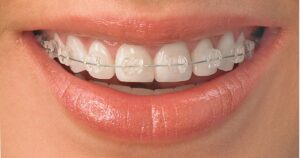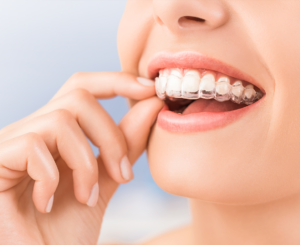
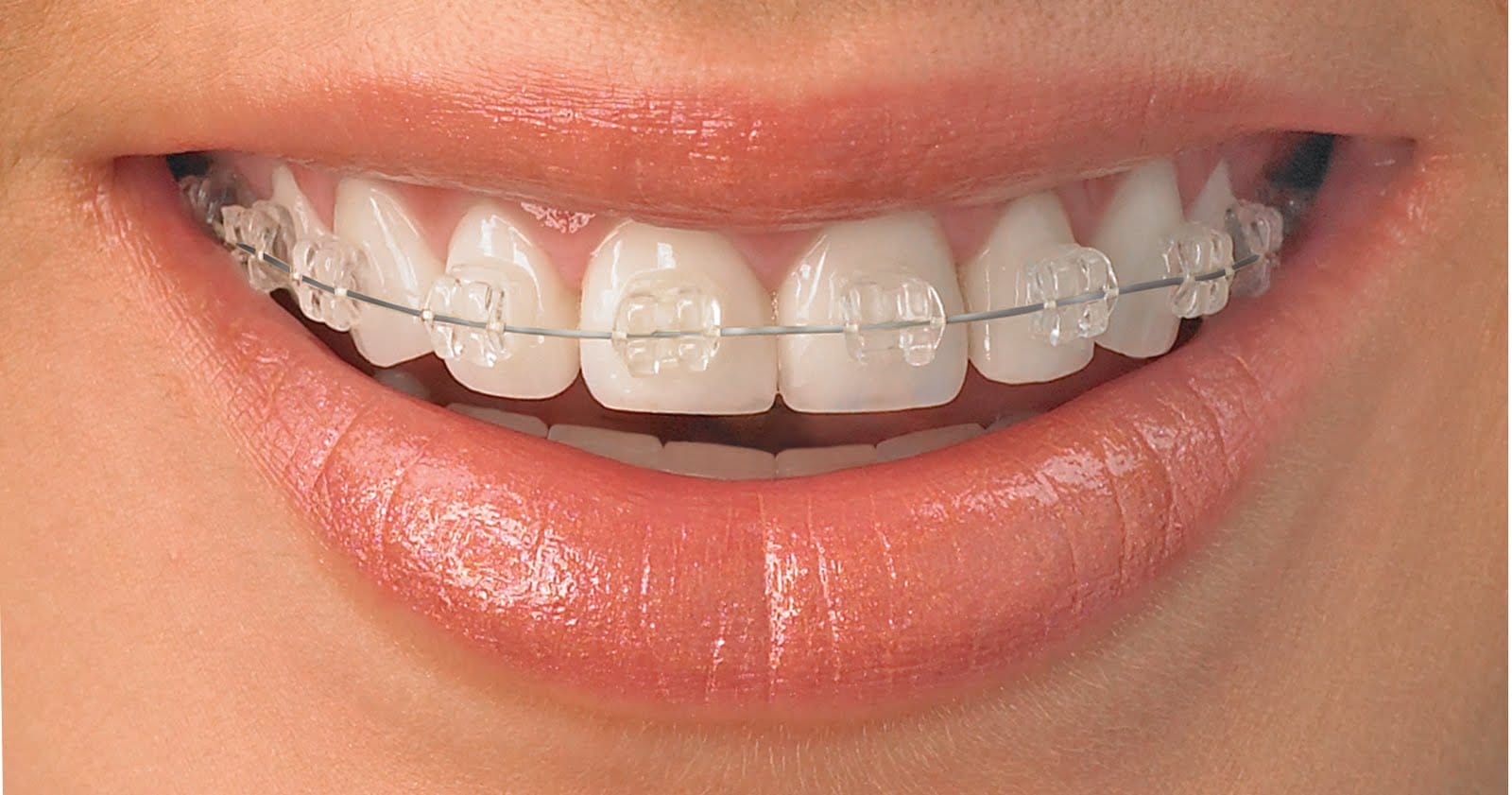
The first few days after getting braces are often the most challenging part of the process for many patients. Tooth sensitivity, irritation on the cheeks, and even slight difficulty speaking are all completely normal. The good news is that this discomfort is usually temporary and quite manageable with the right approach. In this article, we cover the discomfort you might experience after getting braces and how to deal with it.
Why Does It Hurt After Getting Braces?
Braces work by applying a gradual force to your teeth, moving them toward their new positions. This force creates mild pressure in the tissues surrounding the tooth roots, which is felt as sensitivity or mild pain in the first few days. This is a completely expected reaction, and it’s actually a sign that your teeth are responding to the movement.
In addition, contact between the brackets/wires and the soft tissues inside your mouth (inner cheeks, lips) can cause temporary irritation during the adjustment period.
How Long Does This Discomfort Last?
Generally speaking:
- First 3–5 days: This is when sensitivity and discomfort are at their peak.
- After 1 week: Most patients notice significant relief.
- After each wire adjustment: When wires are tightened at check-up appointments, a few days of mild sensitivity may return, though it’s usually less intense than after the initial placement.
Tips for Managing Pain and Discomfort
1. Eat Soft Foods
For the first few days, choose soft, easy-to-chew foods instead of ones that require heavy chewing — yogurt, purees, soup, omelets, and cooked vegetables are good options. This reduces discomfort while chewing and lowers the risk of damaging the brackets.
2. Use Pain Relief
As advised by your orthodontist, over-the-counter pain relievers can help ease sensitivity in the first few days. Always check with your doctor before taking any medication.
3. Use Orthodontic Wax
Orthodontic wax, provided by your clinic, can be applied to areas where brackets or wire ends are causing irritation on the inside of the cheek. It creates a protective layer between the sharp surface and the soft tissue.
4. Rinse with Warm Salt Water
Rinsing with a pinch of salt dissolved in warm water can help soothe mild irritation inside the mouth and support the healing process.
5. Apply a Cold Compress
Applying a cold compress to the outside of the cheek can help ease sensitivity in the first few days.
6. Be Patient and Give Yourself Time to Adjust
A slight lisp when speaking, or the feeling of your tongue brushing against the brackets, is part of a gradual adjustment process that fades with time — usually within just a few days.
When Should You Contact Your Orthodontist?
It’s recommended to contact your orthodontist right away, without waiting for your next scheduled visit, if you experience:
- A broken or loosened bracket or wire
- Severe pain that doesn’t ease off over several days
- A significant sore or bleeding inside the cheek
- A poking wire end that wax alone can’t resolve
Why Does Oral Care Become Even More Important with Braces?
Brackets and wires create more surfaces where plaque and food particles can build up. That’s why, once you have braces, it’s important to:
- Brush your teeth carefully after every meal.
- Use an interdental brush or orthodontic floss to clean between the brackets.
- Keep up with your regular dental check-ups.
Conclusion
The sensitivity and adjustment period right after getting braces is a natural and temporary part of treatment. With the right diet, simple care tips, and a bit of patience, this stage can be managed comfortably. If you’re ever concerned about something, always reach out to your clinic instead of guessing.
At Dr. Murat Kaptaç’s clinic, we provide our patients with the support and guidance they need during the initial period after getting braces.
Contact us with any questions about your braces treatment.