
In recent years, Istanbul has become a leading destination for patients from around the world seeking orthodontic and dental aesthetic treatments. Affordable pricing, experienced clinicians, and modern technology have made many people choose Istanbul as the place to transform their smile. So what does the process actually look like if you’re an international patient considering orthodontic treatment in Istanbul, and what should you keep in mind? This guide walks you through everything you need to know.
Why Choose Istanbul for Orthodontic Treatment?
Several key factors make Istanbul an attractive choice for orthodontic care:
Affordable Cost: Compared to prices in Europe and North America, braces and clear aligner treatments in Istanbul are generally offered at a significantly lower cost. This price difference does not come at the expense of quality — many clinics operate to international standards.
Experienced Orthodontists: Orthodontic education in Turkey closely follows international curricula, and many practitioners have also trained abroad and regularly attend international conferences.
Modern Technology: Digital scanning, 3D treatment planning, and clear aligner systems are widely used in Istanbul clinics as standard practice.
The City Itself: Istanbul is a historically and culturally rich city, allowing you to combine your treatment journey with a memorable travel experience.
How Does the Treatment Process Work?
For international patients, having a clear, well-planned process matters most. The typical flow looks like this:
- Initial Remote Assessment: Based on photos and any previous dental records you provide, an initial online assessment is carried out. At this stage you’ll receive general information about treatment options and estimated duration.
- First In-Person Examination and Planning: Once you arrive in Istanbul, a detailed intraoral scan, X-rays, and photographs are taken to prepare your personalized treatment plan.
- Start of Treatment: Braces are fitted, or your series of clear aligners is provided. For aligner treatments, the first set(s) are usually handed over in person, while subsequent sets can be shipped to you.
- Remote Follow-Up: During periods that don’t require an in-person check, progress can be monitored remotely through photos and video updates.
- Periodic Visits: Depending on your treatment plan, you may need to return to Istanbul at set intervals (for example, every few months) for in-person check-ups.
Clear Aligners or Braces? Which Is Better Suited for International Patients?
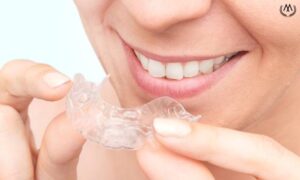
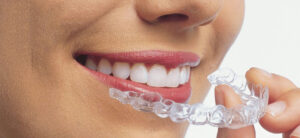
For patients who travel frequently or will be spending extended periods abroad, clear aligner treatment is often the more practical option because:
- Aligner sets can be provided in advance as a series, reducing the need for frequent clinic visits.
- There’s no risk of a wire breaking or a bracket coming loose during travel.
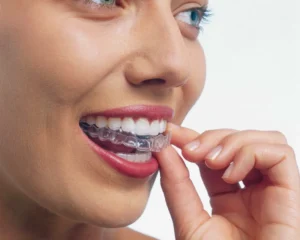
- Aligners can be removed and reinserted easily during flights and travel.
That said, depending on the complexity of the case, traditional braces may sometimes produce better results. This decision should always be made on a case-by-case basis during the initial examination.
What to Keep in Mind When Traveling from Abroad
- Bring Your Previous Records: If you have existing X-rays, panoramic films, or previous orthodontic assessment reports, bring them with you — this speeds up your first examination significantly.
- Plan Your Travel Duration: The initial examination and start of treatment typically take a few days. Patients receiving clear aligners can often plan a shorter stay.
- Clarify Your Remote Communication Channel: Make sure you know how to reach the clinic (WhatsApp, email, video call) for any questions or urgent issues that may arise during treatment.
- Arrange Accommodation and Transport in Advance: Istanbul offers a wide range of transport and accommodation options, and clinics can often recommend nearby places to stay.
Choosing the Right Clinic for Orthodontic Tourism in Istanbul
When planning treatment from abroad, consider the following when choosing a clinic:
- The orthodontist’s training and experience background
- Before-and-after case photos and patient reviews
- Whether the clinic offers remote communication and follow-up support
- Transparency about the technology and materials used
- Availability of communication in multiple languages