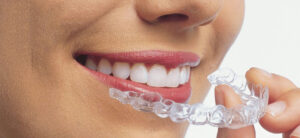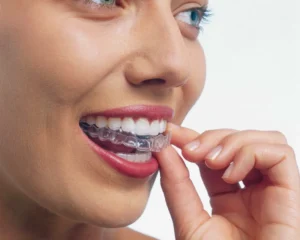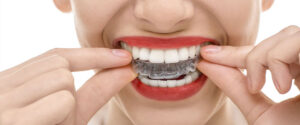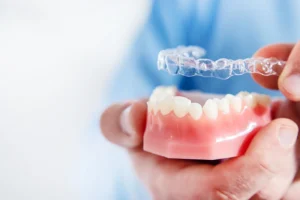
Orthodontic treatment is a method applied to ensure the proper alignment of teeth and jaws. Modern orthodontic methods like MK Aligners offer significant aesthetic and functional advantages, but some patients may experience jaw joint problems. In this article, we will examine the relationship between orthodontic treatment and jaw joint issues.
What Are Jaw Joint Problems?
Jaw joint problems, also known as temporomandibular joint (TMJ) disorders, are characterized by pain, discomfort, and loss of function affecting jaw movement. The jaw joint connects the lower jaw to the skull and is a complex structure. Jaw joint issues can arise from misalignment of teeth, stress, teeth grinding, and other factors.
The Role of Orthodontic Treatment
Orthodontic treatment can help reduce pressure on the jaw joint by correcting the alignment of the teeth and jaws. MK Aligners facilitate the slow and controlled movement of teeth, which may alleviate discomfort in the jaw joint. However, in some cases, orthodontic treatment may trigger or exacerbate existing jaw joint issues.
The Relationship Between Jaw Joint Problems and Orthodontic Treatment
- Misalignment of Teeth: Improper alignment of teeth can exert additional pressure on the jaw joint. Since MK Aligners aim to achieve proper alignment, they can help reduce such problems.
- Teeth Grinding: Some patients may develop teeth grinding or clenching habits during orthodontic treatment. This can harm the jaw joint and lead to pain. Implementing stress management techniques during treatment can help mitigate this issue.
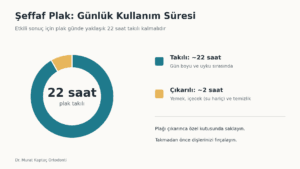
- Treatment Duration: Prolonged orthodontic treatment may put extra strain on the jaw joint. Therefore, the continuity of MK Aligners treatment and regular follow-up appointments are essential. Your dentist should monitor your jaw joint health at every stage of the treatment process.
Managing Jaw Joint Problems
- Regular Check-ups: If symptoms related to the jaw joint arise during orthodontic treatment, you should contact your dentist immediately. Regular check-ups can help detect potential issues early.
- Heat and Cold Applications: Applying heat or cold compresses can help alleviate jaw joint pain. This can reduce swelling and relieve discomfort.
- Pain Relievers: If necessary, pain relievers can be used with your doctor’s recommendation.
- Physical Therapy: Physical therapy may be recommended to strengthen jaw muscles and increase flexibility, which can assist in the proper functioning of the jaw joint.
While orthodontic treatment can improve the health of teeth and jaws, it is also associated with jaw joint problems. Modern methods like MK Aligners can reduce discomfort in the jaw joint by ensuring proper alignment of the teeth. However, it is crucial to consider jaw joint health during the treatment process and maintain regular follow-ups. If you experience any discomfort, consulting your dentist promptly is a critical step toward achieving a healthy smile.