Do you hear a clicking or popping sound when you open and close your jaw? Do you wake up with pain around your jaw or temples? These symptoms may be signs of a temporomandibular joint (TMJ) disorder — something many people experience without realizing it. TMJ issues are often closely linked to bite alignment and jaw positioning, which makes orthodontic evaluation an important part of the process. In this article, we cover what TMJ disorders are, their symptoms, and the role orthodontics can play.
What Is the TMJ (Temporomandibular Joint)?
The temporomandibular joint is the hinge-like joint that connects your lower jaw to your skull, allowing your jaw to open, close, and move forward, backward, and side to side. This joint works continuously for everyday functions like speaking, chewing, and swallowing. Dysfunction in this joint or the surrounding muscles is generally referred to as a TMJ disorder (TMD – Temporomandibular Disorder).
What Are the Symptoms of a TMJ Disorder?
TMJ disorders can present differently from person to person. The most common symptoms include:
- Clicking, popping, or grating sounds when opening or closing the jaw
- Pain or tenderness around the jaw, temples, or ears
- Stiffness or fatigue in the jaw muscles, especially in the morning
- Difficulty fully opening the jaw, or a sensation of it locking
- Frequent headaches, particularly in the temple area
- Discomfort or fatigue while chewing
- Tension that extends into the neck and shoulder area
If you experience one or more of these symptoms on a regular basis, it may be worth having it evaluated by a dentist or orthodontist.
What Causes TMJ Disorders?
TMJ issues rarely have a single cause — they usually result from a combination of factors:
- Bite misalignment (malocclusion): When the upper and lower jaws don’t fit together properly, it can cause uneven load distribution on the jaw joint.
- Teeth grinding and clenching (bruxism): Unconscious clenching or grinding, especially during sleep, places excessive strain on the joint and surrounding muscles.
- Stress: Muscle tension caused by stress can indirectly affect the jaw joint.
- Trauma: Impacts to the jaw can affect the joint structure.
- Posture issues: Head and neck posture can indirectly influence jaw function.
How Are Orthodontics and TMJ Disorders Related?
There is a close connection between bite alignment and jaw joint function. A mismatch between the upper and lower jaw — such as a pronounced crossbite, deep bite, or open bite — can cause the jaw joint to function unevenly under load. For this reason:
- Orthodontic evaluation is an important step for patients with TMJ complaints, as it helps assess the underlying bite relationship.
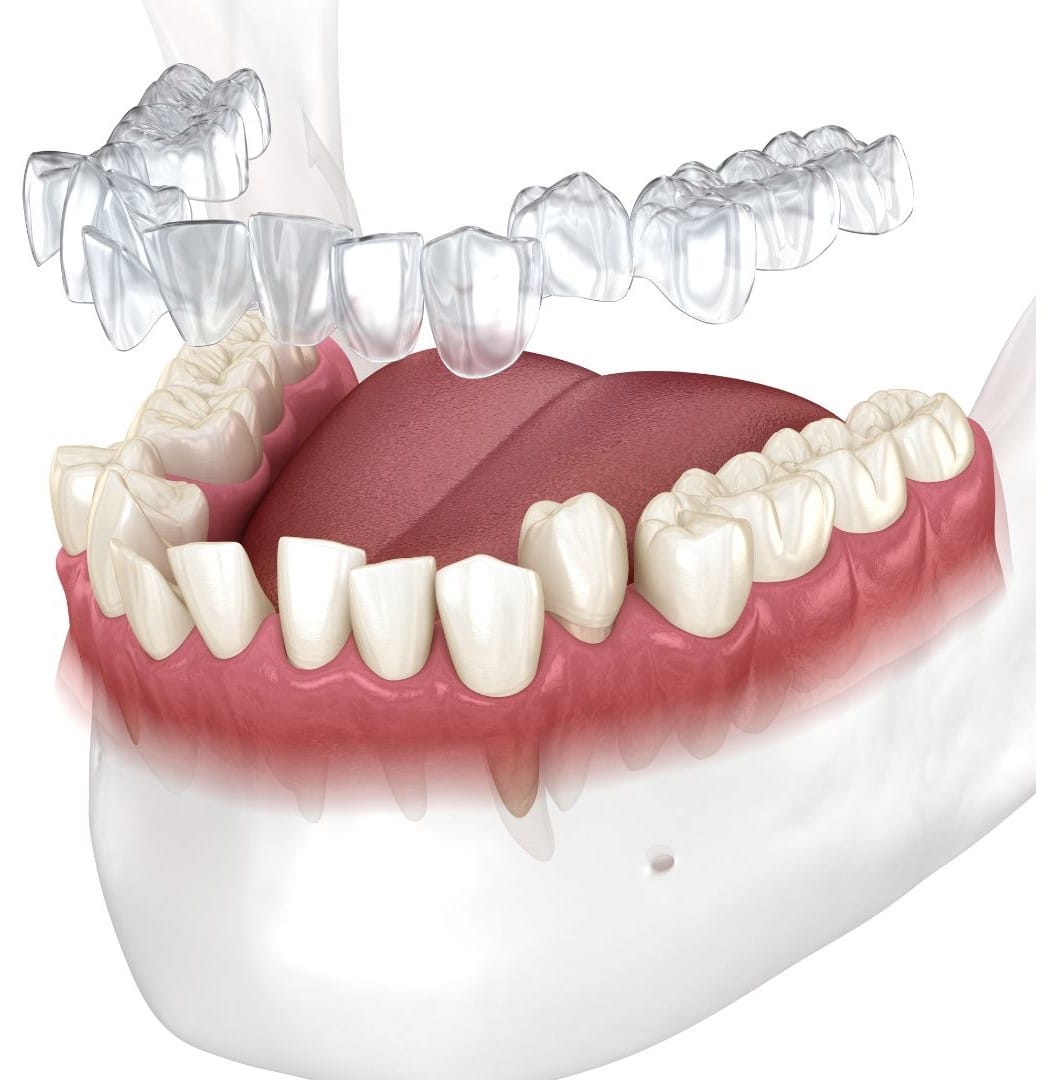
- Braces or clear aligner treatment may help ease certain TMJ symptoms that stem from bite misalignment.
- However, not every TMJ disorder has an orthodontic cause — in some cases, the underlying issue is muscle tension, bruxism, or a condition specific to the joint structure itself. In these situations, treatment is coordinated with other specialties as needed, such as physical therapy or gnathology.
How Is a TMJ Evaluation Conducted?
When evaluating a patient with TMJ complaints, an orthodontist or dentist typically follows these steps:
- Detailed History: Questions about when the pain occurs, how it feels, and how frequently it happens.
- Clinical Examination: Assessment of jaw opening range, any sounds during movement, and muscle tenderness.
- Bite Analysis: Examination of how the upper and lower jaw fit together.
- Imaging (If Needed): A panoramic X-ray or more detailed imaging methods may be used to assess the joint structure.
General Recommendations for TMJ Complaints
- Avoid hard foods that require excessive chewing for a while.
- If you have a teeth-clenching habit, ask your doctor about a nightguard (splint) for nighttime use.
- Stress management and simple jaw muscle relaxation exercises can be helpful.
- If symptoms persist, always seek a professional evaluation rather than attempting self-treatment.
Conclusion
Jaw joint disorders can significantly affect quality of life, yet they’re often overlooked. Because of their close relationship with bite alignment, orthodontic evaluation plays an important role in accurate diagnosis and treatment planning for patients with TMJ complaints.
At Dr. Murat Kaptaç’s clinic, we assess jaw joint complaints in relation to bite alignment and create a personalized treatment plan when needed.
Contact us to schedule an evaluation for your jaw joint complaints.