
Clear aligner treatment has become one of the fastest-evolving areas of orthodontics in recent years. Digital scanning, 3D planning, and AI-assisted systems are now routine in many clinics. As we move toward 2027, people are curious about how these developments will shape the patient experience. In this article, we cover the trends expected to stand out in clear aligner treatment, based on the directions we see today.
Note: The topics in this article are general expectations based on current technological trends; they are not a fixed timeline or a list of services that every clinic will offer at the same time. Which practices are suitable for you is determined with your orthodontist after an examination.
1. AI-Assisted Treatment Planning
Digital treatment planning relies on software that simulates how teeth will move at each stage. These tools are expected to improve further with big data and artificial intelligence:
- More predictable tooth movement plans
- Shorter planning times
- More detailed, case-specific alternative plan options, with the orthodontist’s approval
The key point here is this: AI doesn’t replace the doctor; it’s a tool that supports the doctor’s decision-making. The final plan and management of treatment always remain the orthodontist’s responsibility.
2. Remote Monitoring and Digital Check-Ups
The expectation that patients can receive treatment without disrupting their daily lives is becoming increasingly important. In line with this:
- Tracking progress through photos and videos taken on a phone
- Assessing some check-ups remotely instead of at the clinic
- Apps that show a patient’s aligner wear time and progress
Remote monitoring can be a great convenience, especially for busy professionals, patients living in another city, or those being treated from abroad. Even so, in-person check-ups remain necessary at certain stages of every treatment.
3. More Advanced Aligner Materials
The goal in aligner materials is to achieve structures that are more comfortable, more durable, and deliver force to the teeth in a more balanced way. Expected directions include:
- Materials that fit teeth better and cause less discomfort
- Structures that are less prone to staining and keep their clarity longer
- Multi-layer designs that support more controlled force delivery
Which material is suitable for you varies depending on the system used and your case.
4. On-Site Production with 3D Printing
The spread of 3D printing technologies in aligner production is making it possible, in some clinics, for aligners to be made in-house or more quickly. Possible benefits include:
- Shorter production and delivery times
- Faster replacement of broken or lost aligners
- Quicker implementation of planning updates made during treatment
5. A Personalized Treatment Approach
In orthodontics, the “one plan for everyone” mindset is gradually giving way to personalized planning. Expected trends:
- Treatment schedules planned around lifestyle, profession, and expectations
- Alternative plans prepared according to the patient’s priority (speed, invisibility, comfort)
- Specialized treatment approaches for adult patients
6. Services Focused on the Patient Experience
Not only the clinical result of treatment but also the experience throughout the process is gaining importance:
- Showing the expected result with a 3D simulation before treatment
- Clear, transparent pricing, with what’s included stated upfront
- Ongoing communication channels (messaging, video calls)
- Presenting the post-treatment retention process as part of the plan
7. Health Tourism and International Patients
Advances in remote monitoring and digital planning are making treatment more manageable for patients coming from abroad. A model of digital pre-assessment in advance, a short visit to Istanbul, and remote follow-up afterward may become increasingly common.
What Won’t Change
No matter how much technology advances, some fundamentals of clear aligner treatment will stay the same:
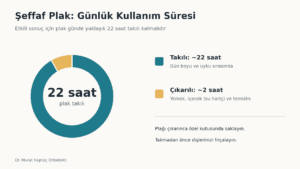
- Patient compliance: The need to wear aligners about 20–22 hours a day will continue.
- Orthodontist experience: Accurate diagnosis, planning, and management of treatment will remain the orthodontist’s responsibility.
- Retention: Retainer use after treatment will remain necessary to maintain the result.
- Case suitability: Not every case is suitable for clear aligners; this decision will still be made by the orthodontist after an examination.
Conclusion
Heading toward 2027, AI-assisted planning, remote monitoring, advanced materials, and personalized approaches stand out in clear aligner treatment. The shared goal of these developments is to make treatment more predictable, more comfortable, and better suited to the patient’s life. However, the value of innovation emerges when it is combined with an experienced orthodontist who uses it well.
At Dr. Murat Kaptaç’s clinic, we use current technologies such as digital scanning and 3D simulation to create a personalized treatment plan for you, and we offer transparent communication throughout the process.
Contact us to learn more about clear aligner treatment and to book an examination.